
Dig into any well-stocked home pantry, and you are bound to come up with these two common leaveners: baking powder and baking soda. While they both have the power to make your baked goods rise, the difference between baking soda and baking powder rests in the science behind them.
Want to save this recipe?
Enter your email below and get it sent straight to your inbox. Plus, I'll send you recipes & tips every week!
Why You Need Leaveners in Baking
Leaveners are essential baking ingredients responsible for making baked goods rise while also balancing acidic flavors and helping to achieve the ideal texture. In the average home kitchen, the most common leavening agents are baking soda and baking powder.
While they both perform a similar function, the science behind how they do it is the key difference between baking soda and baking powder. At the most basic level, baking soda requires an acidic ingredient to trigger its leavening action, while baking powder is a self-contained leavener with both acid and base components. Understanding this distinction will guide you in choosing the right ingredient for successful results.
Baking Soda
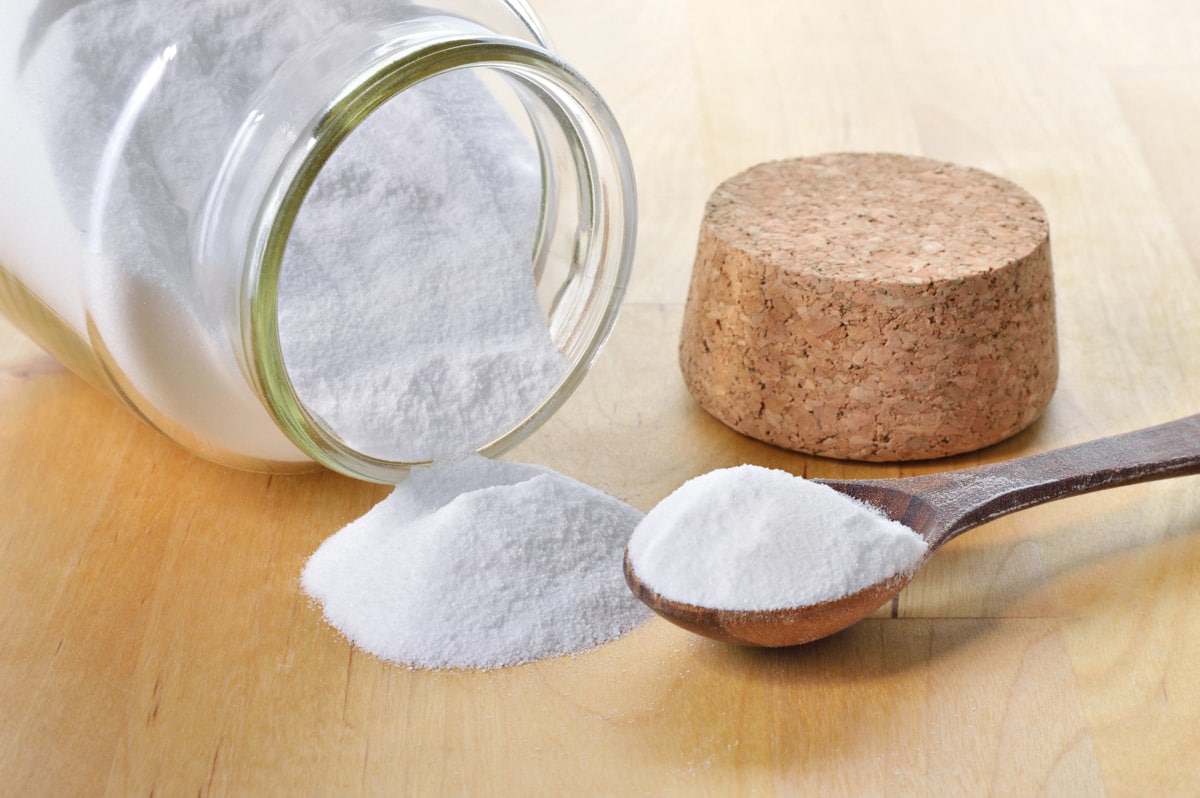
Also known as sodium bicarbonate or bicarbonate of soda outside of the US, baking soda is a powdered leavening agent commonly found in the home pantry. It's a single-acting leavener with an alkaline nature, which means that as soon as it encounters an acidic ingredient in a recipe, it will work towards neutralizing the acidity, releasing carbon dioxide gas and causing your batters and doughs to rise.
For baking soda to perform, your recipe must include an acid like maple syrup, brown sugar, vinegar or buttermilk. Since it starts to work immediately, without the requirement of heat, recipes with baking soda must be promptly baked to get the best results. When looking for baking soda substitutes, you must use alternatives with similar acidity-balancing properties.
Baking Powder
Baking powder is a common leavening agent made from a combination of an acid, usually cream of tartar, and a base, baking soda. Unlike baking soda, it works effectively in recipes that do not contain an additional acid component and is available in both single-acting and double-acting varieties.
Single-acting baking powder initiates the release of carbon dioxide gas when mixed with a liquid. At the same time, double-acting has a second stage of leavening, which happens after exposure to heat. This dual action provides for greater flexibility in the baking process.
With a neutral taste that doesn’t impart any metallic flavors into the final result and the lack of need for an acidic ingredient, baking powder is suitable for a wide range of baked goods. When exploring baking powder substitutes, look for something that provides leavening with a neutral flavor profile.
“I've had a lot of experience with single-acting baking powder, which is all that's available here in Germany. Your best bet is to skip any resting period a recipe may call for whenever possible. Cookie dough is the only exception. Some recipes, like bundt cakes that are developed with double-acting baking powder, really shouldn't be made with single-acting baking powder as the result is almost certain to be denser than intended.”
— Erin Dooner, Texanerin Baking
Choosing Baking Soda or Baking Powder
Deciding between baking soda and baking powder is usually as easy as double or triple-checking the written recipe. However, when it’s up to you to choose, there are two main aspects to consider. Does the recipe call for an acidic ingredient like brown sugar, lemon juice or buttermilk? Do you want that acidity to shine, or do you want to neutralize it?
Recipes with Baking Soda
Recipes that include baking soda must also call for an acidic ingredient. If your recipe includes acids like honey, yogurt, chocolate or natural cocoa powder, baking soda will provide rise while also neutralizing the acidity, resulting in a more balanced flavor. Baking soda also adds a browning effect, which is why it’s used for homemade soft pretzels and is a great choice for chocolate chip cookies.
Recipes with baking powder
Baking powder is more versatile, as it doesn’t require an acidic ingredient. However, if your recipe has acidic ingredients that you want to embrace, like thumbprint cookies with icing, fried cornbread, or an orange quickbread, the baking powder will provide lift without neutralizing the acidity in your recipe.

Recipes with Both
In specific recipes, particularly those with multiple acidic ingredients, a combination of baking powder and baking soda is utilized to enhance flavor, balance texture and encourage browning. This is most common in cake, shortcake and muffin batters, like these cinnamon streusel muffins. While excessive use of baking soda can introduce a metallic or bitter taste, incorporating baking powder alongside it helps achieve the desired lift without introducing unwanted flavors, as baking soda alone may not provide sufficient leavening.
Testing the Freshness of Baking Soda and Baking Powder
Like any pantry ingredient, baking powder and baking soda have a limited shelf-life. While they should both last about 6 months to a year in your pantry, they won’t show any visible signs of losing their effectiveness. When in doubt, there is a simple test you can perform to see if your box is still working.
To test your baking soda, mix a small amount of it with a liquid acid, like vinegar or lemon juice. For testing baking powder, mix a small amount of it with hot water. If the mixture fizzes and releases carbon dioxide, they are still active and suitable for your recipes. If you don’t get a reaction, you’ll need to replace them.
Lift Your Baking Skills
Understanding the difference between baking soda and baking powder is essential for any home cook aiming to master the art of baking. Baking soda's prompt reaction and ability to neutralize acidity make it ideal for recipes that require immediate lift and flavor balancing, while baking powder's versatility enables it to work in a broader range of recipes, enhancing texture and flavor. Knowing when to use each of these leaveners is a valuable skill for achieving the desired results in your baked creations.
Renee N Gardner is the creative mastermind behind Renee Nicole’s Kitchen, a recipe blog based on seasonal ingredients, dedicated to helping home cooks build their kitchen confidence to become home chefs. When Renee isn’t writing, developing recipes or photographing food, you’ll find her in the garden, traveling or enjoying the outdoors with her husband, son and two dogs.
This article originally appeared on Food Drink Life.



Comments
No Comments