

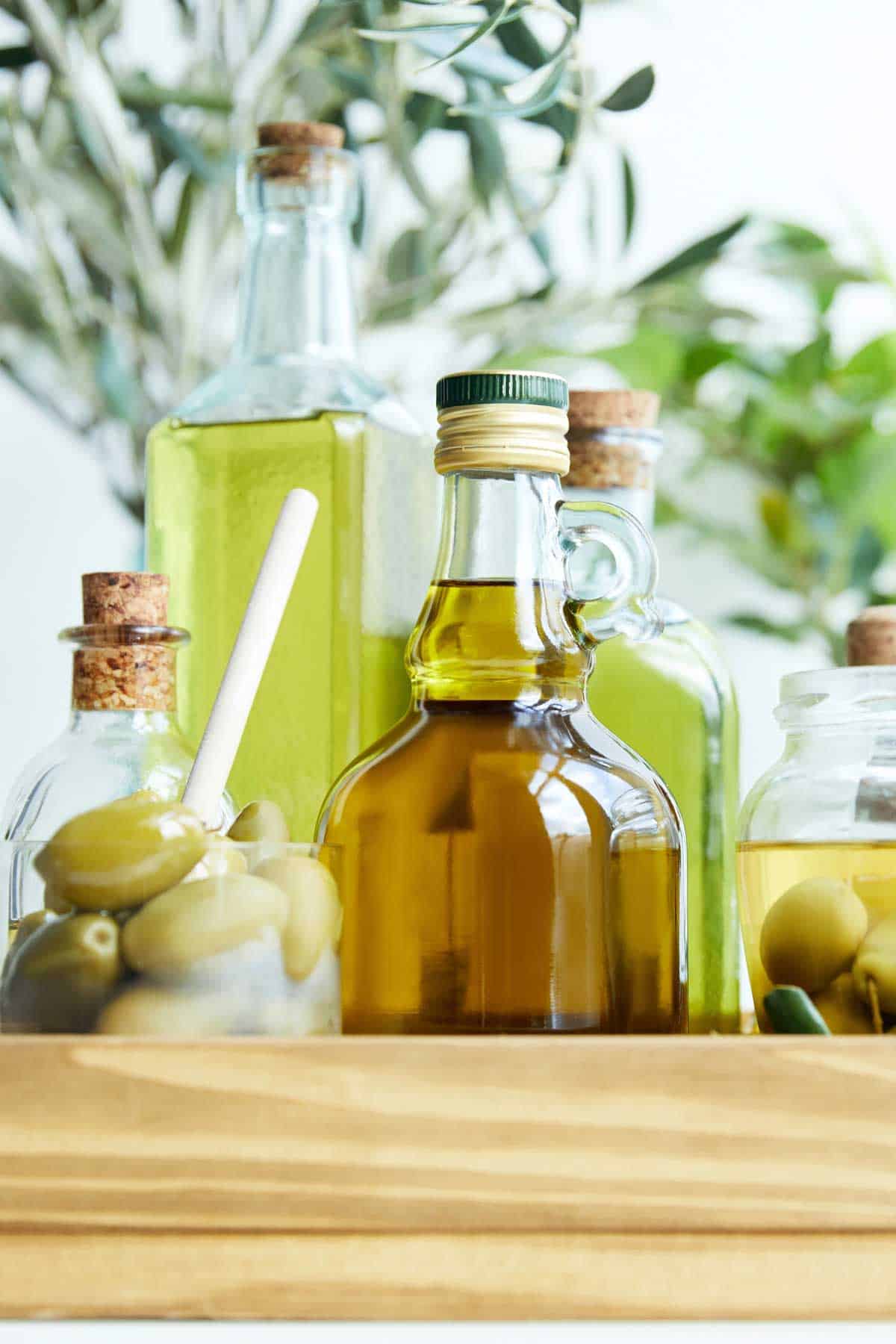
Olive oil is the foundation of countless cuisines and the key to unlocking incredible flavors in everyday meals. But with shelves lined with endless varieties and terms like cold-pressed and extra virgin, it’s easy to feel overwhelmed. Learning how to choose, store and use the right olive oil can make all the difference in your kitchen.
Want to save this recipe?
Enter your email below and get it sent straight to your inbox. Plus, I'll send you recipes & tips every week!
What Makes Olive Oil Unique
Olive oil stands out among cooking oils for its history, versatility and health benefits. Derived from pressing olives, it’s one of the oldest and most celebrated ingredients, dating back thousands of years to Mediterranean civilizations.
Unlike many refined oils, high-quality olive oil — particularly extra virgin olive oil or EVOO — is minimally processed, retaining its natural flavor and nutrients. This makes it a favorite for its taste, antioxidant and heart-healthy properties.
Types of Olive Oil
There are several types of olive oil, each with distinct qualities:
- Extra virgin olive oil is the gold standard, known for its robust flavor and purity, as it’s made solely through cold-pressing without chemical intervention.
- Virgin olive oil is a step below, offering good quality but with slightly higher acidity.
- Refined or light olive oils, on the other hand, are chemically processed and lack the depth of flavor found in their unrefined counterparts.
- Lastly, blended olive oils mix refined oils with virgin oils, making them more affordable but less flavorful.
A common misconception is that all olive oil is equally healthy or flavorful. However, research from the NIH states that in reality, the quality and type of olive oil you choose can dramatically affect both the taste and nutritional benefits of your dish. Understanding these differences is the first step to getting the most out of this liquid gold.
Choosing the Right Olive Oil
Selecting the right olive oil can feel daunting with many options and labels vying for your attention. The key is to match the oil to its purpose in your kitchen. Are you drizzling it over a salad, making a vinaigrette, or dipping bread? Opt for a high-quality extra virgin olive oil with a robust flavor profile.
For cooking methods like sauteing greens or roasting vegetables, a mid-range olive oil with a milder taste will do the job without breaking the bank. If you’re frying or need a large volume, blended or light olive oil can save costs without compromising functionality.
When reading labels, focus on key indicators of quality. Terms like cold-pressed or first press mean the oil was extracted without heat, preserving its flavor and nutrients. Certifications explained by Olive Oil Lovers such as PDO — Protected Designation of Origin or PGI — Protected Geographical Indication verify authenticity and regional sourcing. Beware of vague phrases like pure olive oil, which often indicate a mix of refined oils. If possible, check for a harvest date; fresher oils provide better flavor and nutritional benefits.
Country of origin can also matter, as different regions produce olive oils with unique flavor profiles. Italian oils often have a grassy, peppery kick, while Spanish oils lean fruity and nutty. Greek oils, meanwhile, tend to be bold and rich.
Budget is another factor, but you don’t need to spend a fortune to find a good olive oil. Keep a premium bottle of EVOO for finishing dishes and a more affordable option for cooking. I’ll never forget the first time I splurged on a bottle of fresh, peppery olive oil on a trip to Italy — its vibrant flavor transformed everything it touched, and using it on a simple salad instantly transported me back. Investing in the right bottle for the right occasion is well worth it.
“For me, olive oil is a kitchen essential. I keep a bold, grassy one on hand for finishing dishes — it makes even the simplest salad or pasta feel special. For everyday cooking, I go for a smoother, budget-friendly option. My best tip is to store it in a cool, dark spot and always smell it first — good olive oil should smell fresh, not greasy.”
— Shruthi Baskaran-Makanju, Urban Farmie
How to store olive oil properly
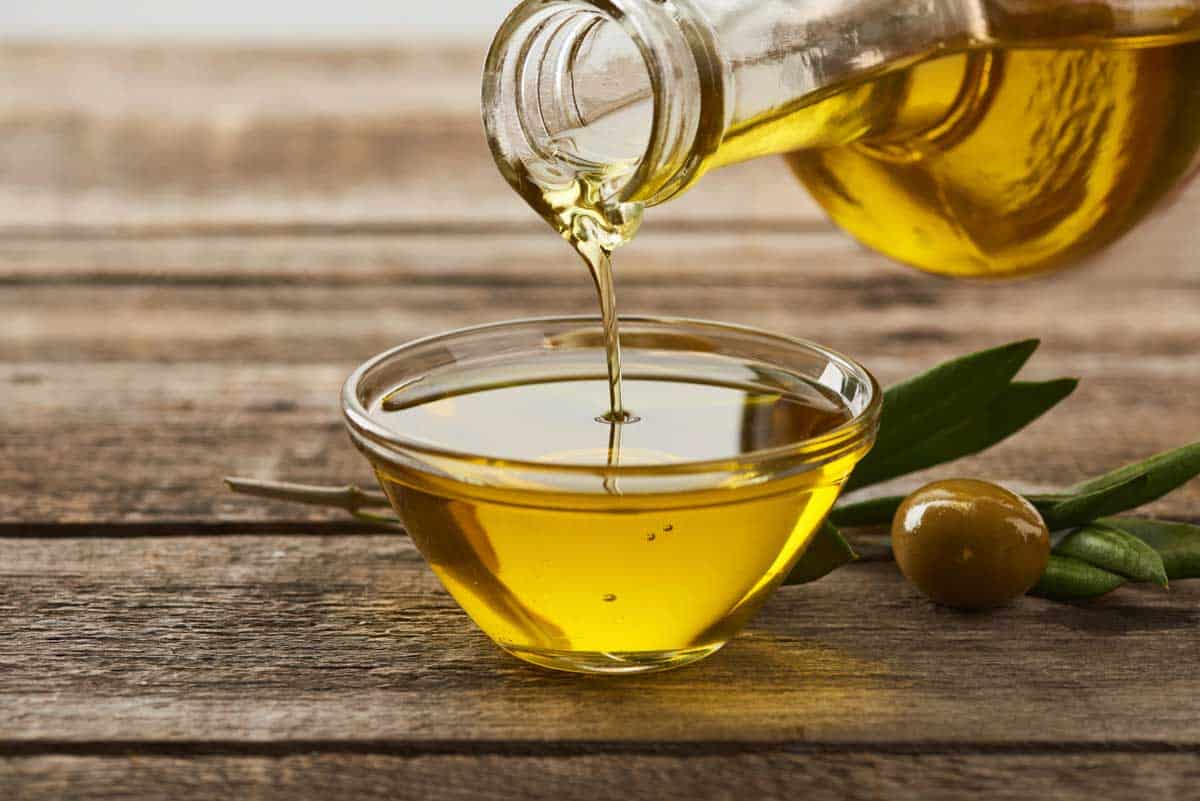
Proper storage is essential to keep olive oil fresh and flavorful. Exposure to light, heat and air can cause it to spoil quickly, so always store it in a cool, dark place. Dark glass or opaque containers are best for blocking light, while tightly sealing the bottle prevents oxidation.
Olive oil typically lasts about 12-18 months from production, but once opened, aim to use it within a few months for the best quality. Signs of spoilage include a waxy or musty smell — if it doesn’t smell right, don’t use it.
Cooking with Olive Oil: Tips and tricks
Olive oil is more versatile than many realize, and understanding its uses can open up a world of possibilities. While extra virgin olive oil is often reserved for finishing dishes, it’s perfectly fine for cooking at medium heat, like sauteing or roasting. If you’re frying, opt for a lower-cost olive oil blend with a higher smoke point to avoid burning.
Beyond cooking, olive oil shines in unexpected ways. Try using it in baking — its fruity notes can enrich cakes and cookies, it can be the perfect choice for pizza, like this Grandma pizza dough, or infuse it with herbs and spices for a custom drizzle. Even something as simple as whisking olive oil into a vinaigrette can improve your salad game.
One of my favorite tricks is brushing extra virgin olive oil onto bread before toasting — it adds a crisp, golden layer and subtle flavor that butter can’t match. Don’t be afraid to experiment, olive oil can transform everyday dishes in surprising ways.
Common Olive Oil Mistakes
Using olive oil past its prime or storing it near heat and light are surefire ways to ruin its flavor. Always check for a fresh, clean scent and keep it in a cool, dark place.
Another common misstep is using the wrong type for the job. Robust EVOO can overpower delicate dishes, while refined oils lack flavor for finishing touches.
Olive Oil For Better Cooking
Olive oil is more than just an ingredient — it’s a cornerstone of good cooking when chosen and used wisely. By understanding its types, storing it properly and matching the right oil to your dishes, you can unlock its full potential in your kitchen.
Try using this new knowledge on everything from these Costco chicken skewers to air fryer tostones to experience the versatility of this delicious and useful condiment.
Gina Matsoukas is the writer, photographer and recipe creator of Running to the Kitchen. Focusing on healthy, seasonal, whole-food recipes, her work has been featured in various online and print publications including Food Network, Prevention Magazine and Women’s Health. Gina lives in central New York, where she enjoys an active outdoor life.
This article originally appeared on Food Drink Life.



Comments
No Comments