
Sugar isn't merely about sweetness; it’s a transformative ingredient. Whether you're baking or cooking, the type of sugar you choose can significantly impact the outcome of your dish. This guide goes over the different types of sugars to help you find the right sweetener for your recipes.

Want to save this recipe?
Enter your email below and get it sent straight to your inbox. Plus, I'll send you recipes & tips every week!
The sugar world isn't a one-size-fits-all; it's a mix of tastes and textures. Each sugar type brings its own flavor to the table, enhancing your favorite dishes from basic granulated, like you'd use in old-fashioned pancakes, to fancy specialty sugars. Understanding the differences in sugars is the key to making your dishes successful in flavor and texture.
The importance of sugar in cooking and baking
Knowing sugar basics simplifies cooking and baking decisions and ensures your dishes turn out the way you want them to. Here's why it matters:
Flavor enhancement: Sugar adds sweetness, and it balances acidity and bitterness to create a better taste in cooked and baked goods.
Caramelization: When sugar is heated, it undergoes caramelization, which develops rich, complex flavors and a golden brown color crucial for delicious sauces and desserts.
Texture improvement: In baking, sugar contributes to structure and texture, tenderizing and moistening cakes, cookies and bread.
Preservation: Sugar acts as a preservative by reducing water activity and inhibiting microorganism growth, commonly seen in jams, jellies and fruit preserves.
Yeasted doughs: Sugar serves as a food source for yeast in bread-making, promoting fermentation and leavening.
Color and appearance: Sugar enhances visual appeal by contributing to browning, creating glazes and adding sparkle to baked goods.
Emulsification: In some recipes, sugar helps emulsify ingredients, creating stable mixtures and preventing separation.
The different types of commonly used sugars
There are many sugar options for cooking and baking. This guide will break down seven of the most used ones.
White granulated sugar
This is the main sweetener for most recipes. It easily dissolves, making it a must-have for cooking and baking, especially for making desserts.
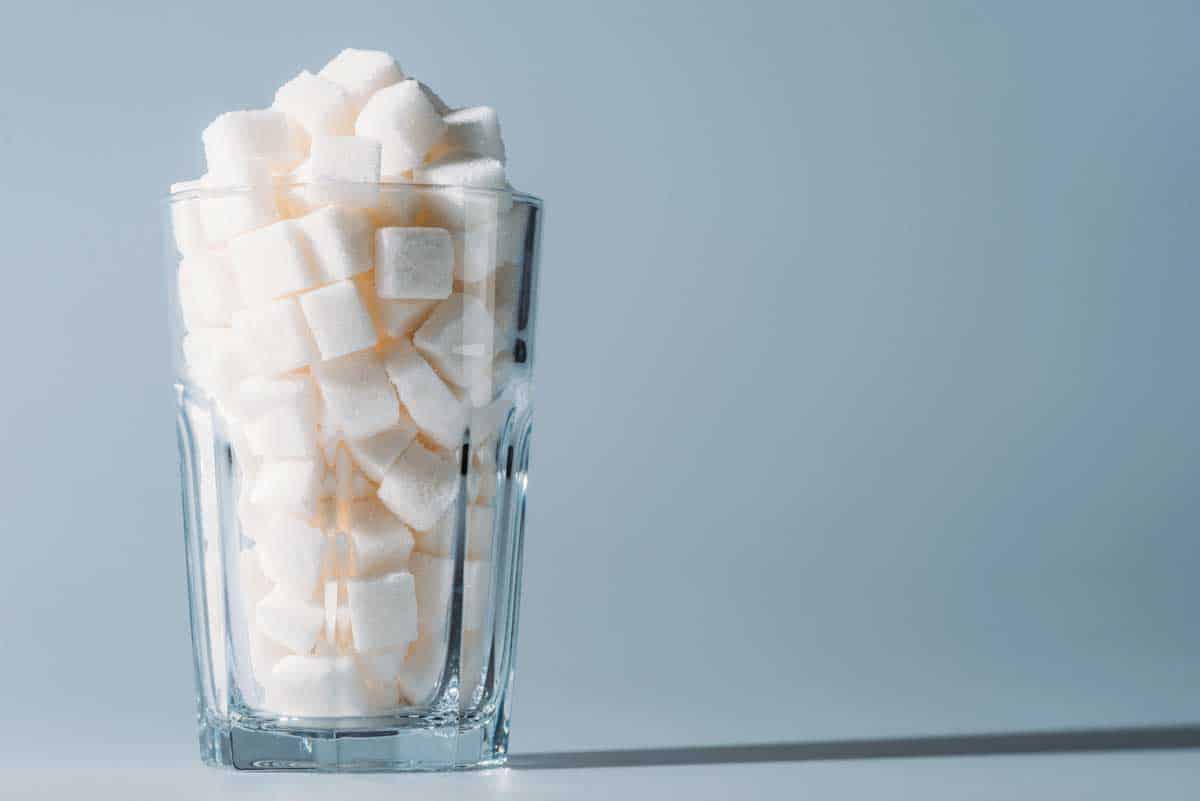
This sugar is the essential ingredient for creating the delightful sweetness of pastries like a classic butter cake, enhancing their textures and flavors. It has a neutral taste with medium-sized, uniform crystals that easily blend into batters, like in these frosted orange rolls or this no bake lemon pie. It creates air pockets when combined with butter for airy and light desserts, and it melts smoothly for sauces. This sugar is a common choice for most cooking and baking recipes.
- A standard and versatile sugar used in cooking and baking recipes.
- Commonly known as table sugar.
Brown sugar
Brown sugar is a blend of granulated sugar and molasses, with light and dark varieties. Light brown sugar has less molasses, providing a milder flavor, while dark brown sugar has more richness, and they are interchangeable in recipes. Brown sugar adds toasty color, extra flavor, depth, a hint of acidity and moisture. It's ideal for recipes desiring enhanced flavor and softer texture, like in these easy mini cinnamon rolls or this butter pecan pound cake. Light brown sugar suits cookies or oatmeal for subtle sweetness, while dark brown sugar enhances richer dishes like gingerbread or barbecue sauces. Brown sugar is an excellent choice for balancing savory meat dishes as well, like these slow cooker pork chops.
- Light brown sugar: Slightly less molasses content, mild flavor.
- Dark brown sugar: Higher molasses content, richer flavor.
Powdered sugar
Known as confectioners' or icing sugar, this is a finely ground granulated sugar blended with cornstarch to prevent clumping. Its super-fine consistency makes it perfect for dissolving in icings, frostings and glazes.
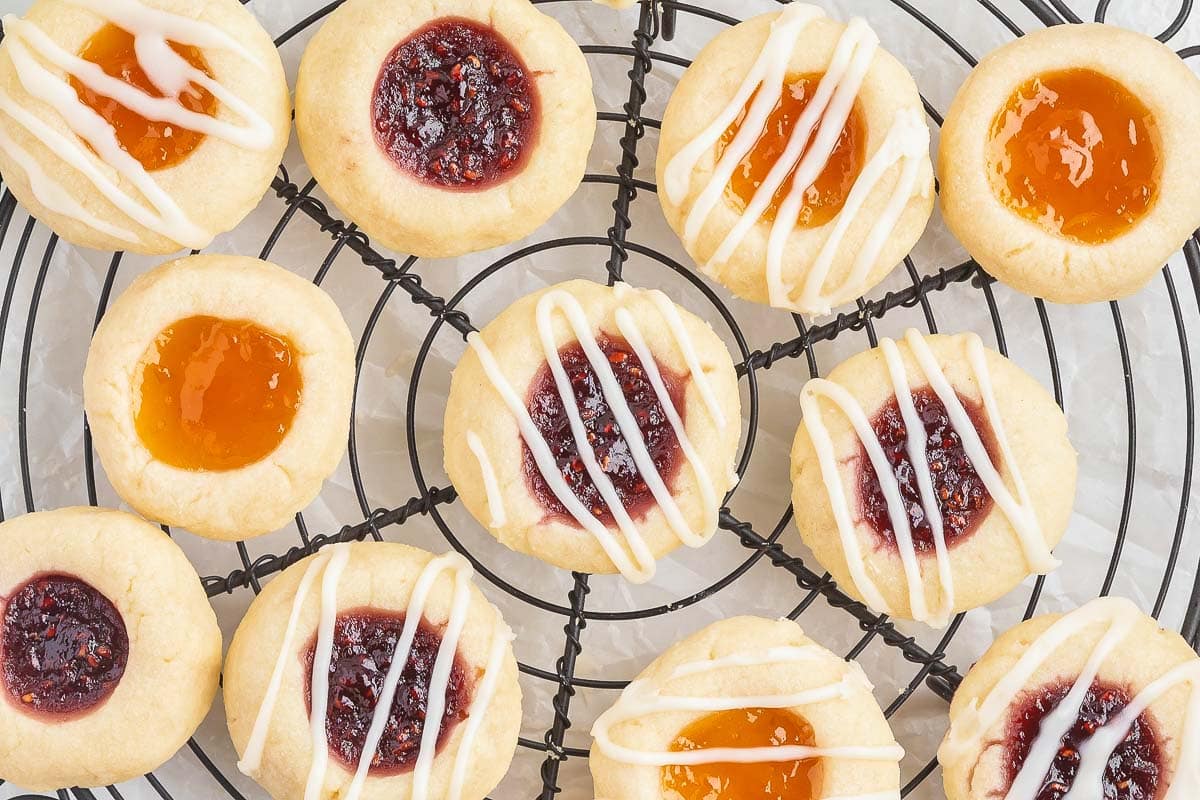
Although not suitable for creaming due to its lack of defined sugar crystals, it excels in dense, buttery cookies like shortbread, adding a tender, melt-in-your-mouth texture. This sugar is commonly dusted on desserts like cakes, cookies or pastries, offering a sweet finishing touch for a bakery-style presentation in homemade treats.
- Finely ground sugar mixed with cornstarch.
- Ideal for frostings, icings (like these thumbprint cookies with icing and dusting desserts.
Superfine sugar
Also known as caster sugar or baker’s sugar, superfine sugar is a type of granulated sugar with a finer texture than regular granulated sugar. It has smaller crystals that dissolve quickly and easily in liquids. This sugar is commonly used in recipes that require a smoother texture, such as delicate desserts, meringues, syrups and beverages, where it blends more seamlessly.
- Finer texture than granulated sugar.
- Quick-dissolving, making it suitable for delicate desserts.
Raw sugar
Turbinado sugar and Demerara sugar are raw sugars with a light golden color and large, coarse crystals, keeping their natural molasses flavors. While you can use them in baking, they are considered finishing sugars, giving desserts a satisfying crunch with their big crystals. These sugars bring a subtle molasses flavor, making them ideal for enhancing the taste and texture of breads, sauces or spice rubs. Both are commonly used as a sweetener in beverages like coffee, tea and cocktails.
- Raw sugar with larger crystals.
- It adds a subtle molasses flavor, ideal for certain baked goods.
Coconut sugar
This sugar is derived from the sap of coconut palm trees and is a natural sweetener gaining popularity in home kitchens. With its rich caramel-like flavor and a similar sweetness profile to brown sugar, coconut sugar is a versatile option for both baking and cooking. We love using coconut sugar in recipes like this dairy-free cake.
- Natural sweetener with a rich, caramel-like flavor.
- Versatile option for both baking and cooking.
Liquid sweeteners
These sweetening agents are in liquid form. The most common liquid sweeteners include:
- Honey: A natural sweetener with a distinct flavor profile, honey is often used in baking, marinades, dressings and as a sweetener for beverages.
- Maple syrup: Derived from the sap of maple trees, maple syrup is a rich-tasting liquid sweetener. It is frequently used in breakfast dishes, desserts, glazes and as a topping for pancakes and waffles.
- Agave nectar: Extracted from the agave plant, this is a sweet syrup with a low glycemic index. It is used as a sugar substitute in various recipes, including beverages, desserts and baked goods.
“When mixing cocktails, I love to use different kinds of sweeteners for different tastes. Honey, agave nectar and maple syrup are flavorful liquid sweeteners. I also use different types of sugar to make simple syrups. My favorite is Demerara sugar, which lends a caramel-like flavor.”
— Susannah Brinkley Henry, Feast + West
In the world of cooking and baking, sugar isn't just about sweetness; it's a key ingredient that can totally change your dish. From everyday granulated sugar to fancier kinds like turbinado, the different types of sugar have their unique flavor and texture, allowing you to tailor your culinary creations.
Jere Cassidy is the writer and recipe developer behind the blog One Hot Oven. A passion for all things food-related led her to culinary school to expand on her baking skills and now to share easy recipes for all home cooks and bakers of all skill levels. When not in the kitchen, Jere’ likes to travel far and wide to find delicious food.
This article originally appeared on Food Drink Life.

Comments
No Comments